
Rules
Official competition rules for every event on the 518 Martial Arts circuit.
Find your event below to see where it’s offered and how it’s judged.
How Forms & Weapons Scoring Works
Applies to all forms, weapons and team synchronized divisions
Judges rank, they don't guess at numbers
Each ring has three judges. As competitors perform, each judge ranks every competitor in the division, from the performance they felt was strongest to the one they felt was weakest. No two competitors can share a spot on a judge's card, so every judge has to make a clear call on who placed ahead of whom.
This keeps judging focused on what matters: comparing the performances in front of them, rather than trying to pick a number out of thin air.
Each place earns a set score
Once a judge has ranked the division, each place is converted to a set score. Every judge uses the same scale, and a competitor's final score is the total from all three judges. A higher placement on a judge's card always earns more points than a lower one.
Why the gaps aren't all the same
The points between places aren't spaced evenly, and that's on purpose. When every place is spaced the same, different combinations of rankings add up to the same total much more often, which means more ties. Uneven spacing makes it far less likely that two competitors finish with identical totals, so results are decided by the judges' rankings, not by a tiebreaker.
What a score means (and doesn't)
A score reflects where the judges placed you within your division that day. It isn't a grade on a fixed scale, so the same score in two different divisions doesn't mean the same thing.
If there's still a tie
Ties are rare under this system, but they can still happen. When they do, we use an established tiebreak procedure so every result is settled fairly and consistently.
Open Forms
Winter Cup; Capital District Open; Hudson Valley Regionals; Golden Eagle Challenge
Judged using our ranking system
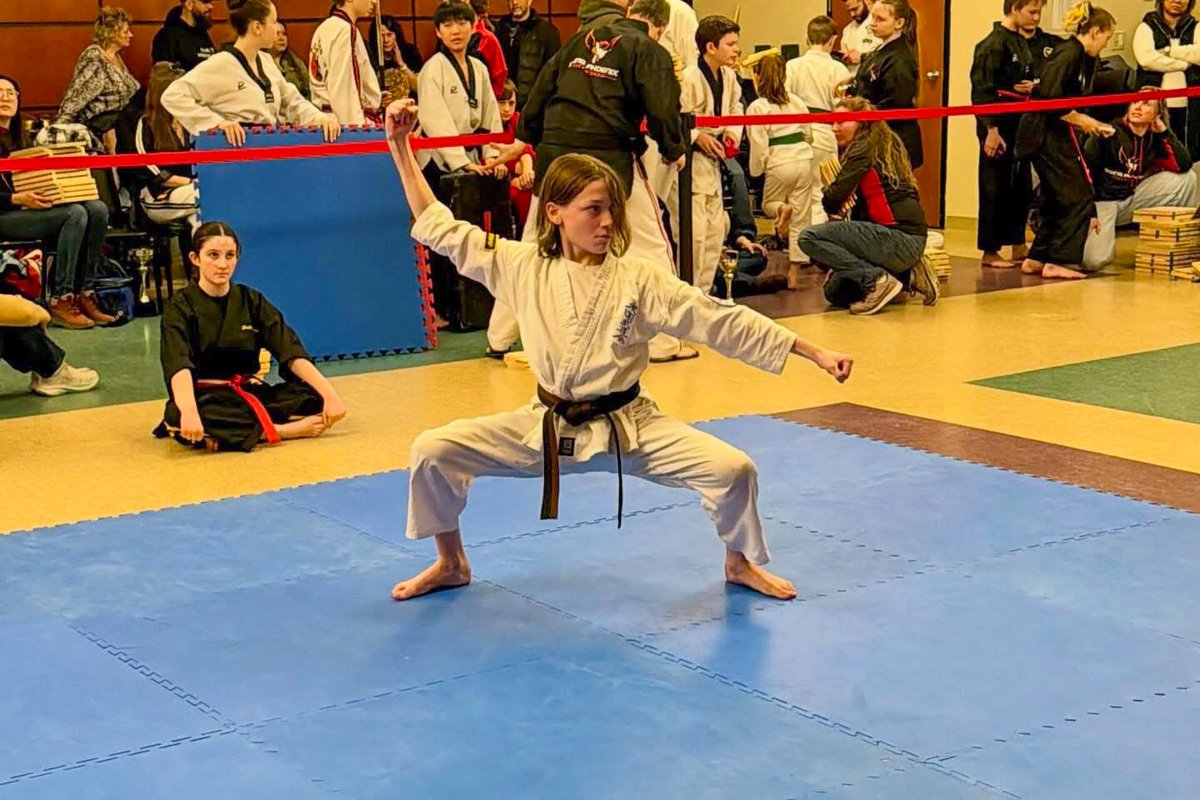
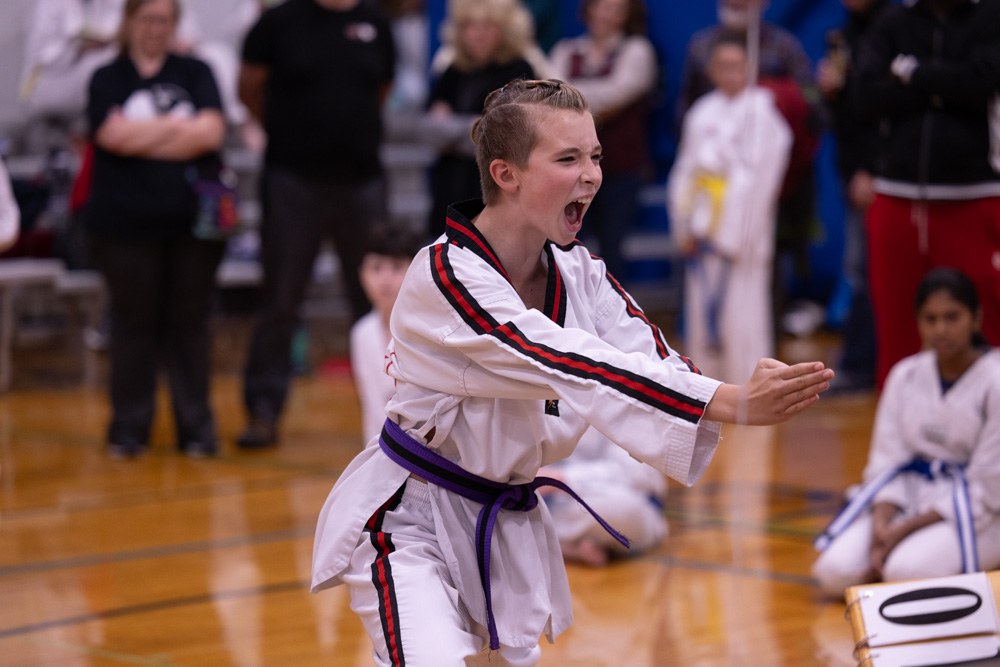
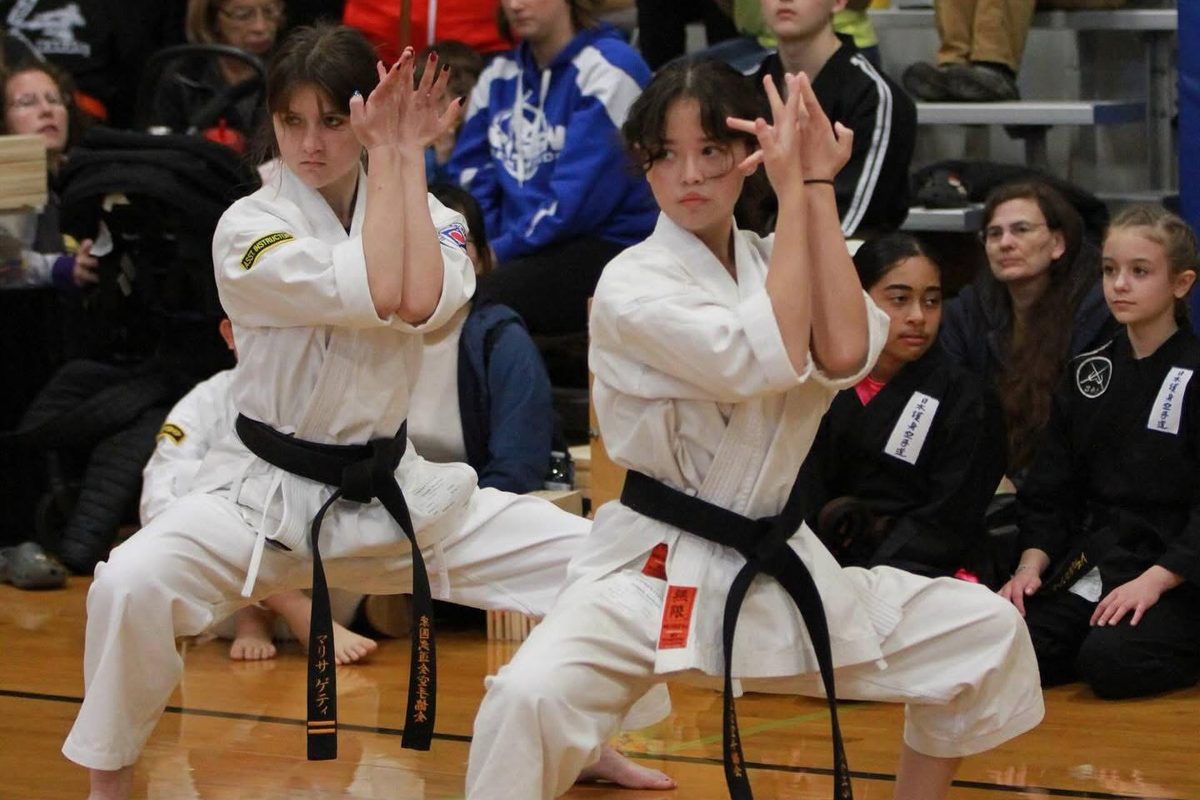
Competitors in this division will perform any forms (patterns, kata, poomse, etc.), traditional or creative in nature.
- Forms may include an array of techniques. They may be a traditional form from a style or system, devised in their entirety by the competitor, or a traditional form or kata to which modern aspects have been added.
- Competitors may perform any movements, whether they originate from traditional or contemporary martial arts systems or otherwise. However, at least half of the form should originate from martial arts techniques.
- Emphasis is placed on the quality of execution of techniques and movements, martial arts skills, balance, speed, power, degree of difficulty, showmanship, solid stances, and focus.
- Spinning kicks, jump spinning kicks, flying kicks, multiple kicks, splits and other creative martial arts techniques are permitted.
- Competitors should limit techniques to movements that portray a definite offensive or defensive martial arts purpose, or that are included to illustrate extreme flexibility or agility.
Time Limit: 3 minutes
Traditional Forms
North East Open
Judged using our ranking system
Competitors in this division will perform forms (patterns, kata, poomse, etc.) traditional to a specific style of martial arts. These forms must capture the essence of classic martial arts movements, showcasing the traditional techniques, stances and footwork of the specific style. All competitors of a specific age and rank division will compete against each other, regardless of style.
Emphasis is placed on execution of technique, application of technique, balance, speed, power, solid stances, and focus.
Forms may be unmodified or modified from what a system or school considers to be the original version of the form; however, performance of a form voted by the judges as inappropriate for the division will result in a unanimous decision of "no score."
Time Limit: 3 minutes
Creative Forms
North East Open
Judged using our ranking system
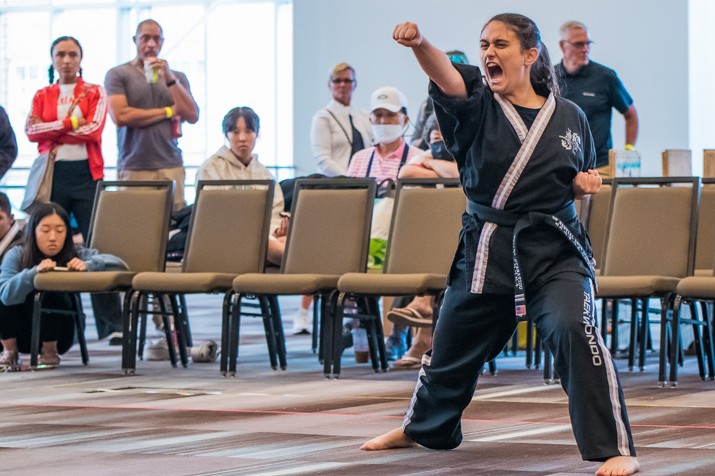
The Creative Forms division allows forms to include an array of techniques. These forms may be devised in their entirety by the competitor, or be a traditional form to which modern aspects have been added.
In this division, the competitor may perform any movements, whether they originate from traditional or contemporary martial arts systems or otherwise. However, at least half of the form must originate from martial arts techniques.
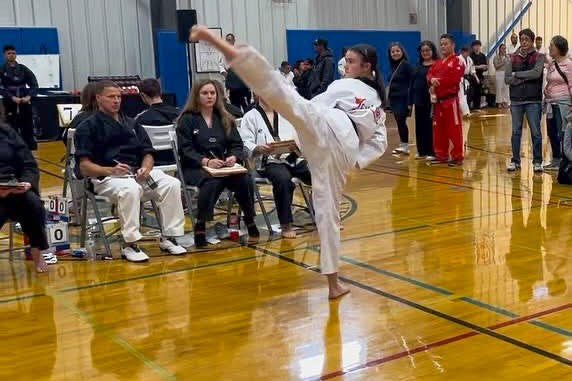
Emphasis is placed on the quality of execution of techniques and movements, martial arts skills, balance, speed, power, degree of difficulty, showmanship, solid stances, and focus. Spinning kicks, jump spinning kicks, flying kicks, multiple kicks, splits and other creative martial arts techniques are permitted.
Only movements that portray a definite offensive or defensive martial arts purpose, or that are included to illustrate extreme flexibility or agility, are allowed.
Time Limit: 3 minutes
Korean Forms
Capital District Traditional Tournament
Judged using our ranking system
Competitors in this division will perform forms traditional to a Korean style of martial arts. These forms must capture the essence of classic Korean martial arts movements, showcasing the traditional techniques, stances and footwork of the specific style.
Emphasis is placed on execution of technique, application of technique, balance, speed, power, solid stances, and focus.
Forms may be unmodified or modified from what a system or school considers to be the original version of the form; however, performance of a form voted by the judges as inappropriate for the division will result in a unanimous decision of "no score."
Time Limit: 3 minutes
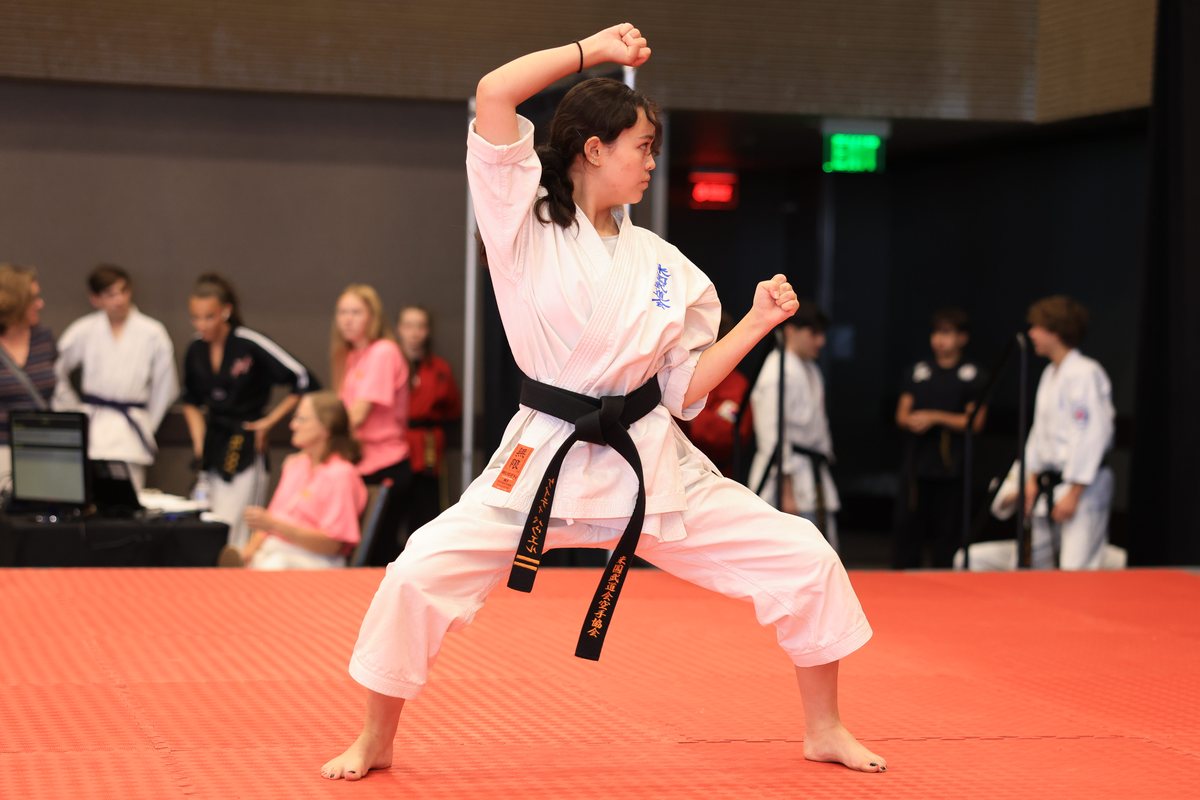
Japanese Kata
Capital District Traditional Tournament
Judged using our ranking system
Competitors in this division will perform katas traditional to a Japanese or Okinawan style of martial arts. These katas must capture the essence of classic Japanese/Okinawan martial arts movements, showcasing the traditional techniques, stances and footwork of the specific style.
Emphasis is placed on execution of technique, application of technique, balance, speed, power, solid stances, and focus.
Katas may be unmodified or modified from what a system or school considers to be the original version of the kata; however, performance of a kata voted by the judges as inappropriate for the division will result in a unanimous decision of "no score."
Time Limit: 3 minutes
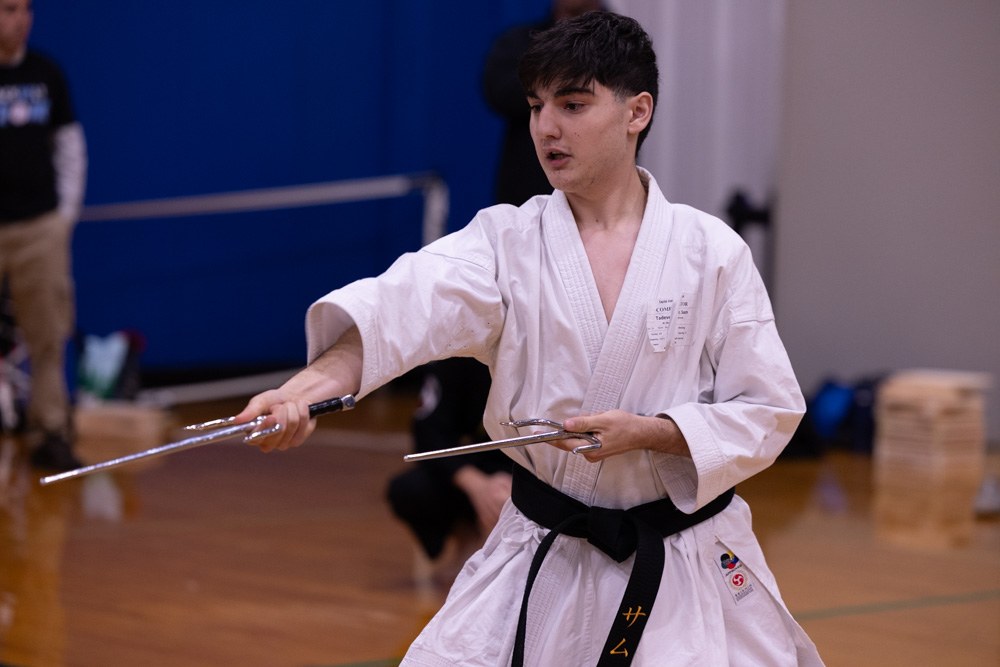
Open Weapons
Winter Cup; Capital District Open; Hudson Valley Regionals; Capital District Traditional Tournament
Judged using our ranking system
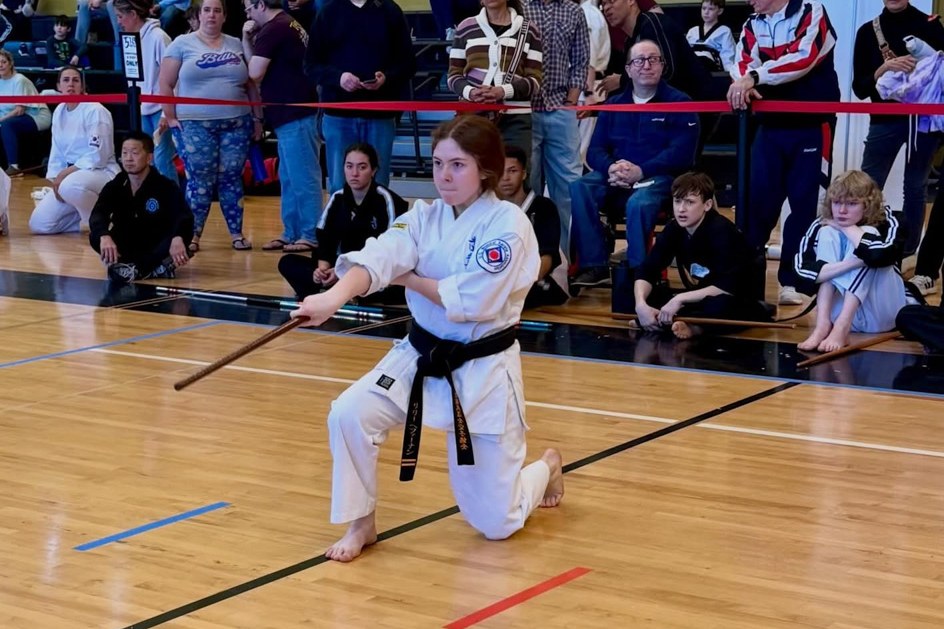
Competitors in this division will perform any weapons forms (patterns, kata, poomse, etc.), traditional or creative in nature.
- Weapons forms may include an array of techniques. They may be a traditional weapons form from a style or system, devised in their entirety by the competitor, or a traditional form or kata to which modern aspects have been added.
- Competitors may perform any movements, whether they originate from traditional or contemporary martial arts systems or otherwise. However, at least half of the form should originate from martial arts techniques.
- Emphasis is placed on the quality of execution of techniques and movements, martial arts skills, balance, speed, power, degree of difficulty, showmanship, solid stances, and focus.
- Use of the weapon is weighed heavily, including striking and blocking with the weapon as well as weapon manipulations.
- Spinning kicks, jump spinning kicks, flying kicks, multiple kicks, splits and other creative martial arts techniques are permitted.
- Competitors should limit techniques to movements that portray a definite offensive or defensive martial arts purpose, or that are included to illustrate extreme flexibility or agility.
Time Limit: 3 minutes
Traditional Weapons
North East Open
Judged using our ranking system
Competitors in this division will perform weapons forms (patterns, kata, etc.) traditional to a specific style of martial arts, using weapons of a traditional design. These forms must capture the essence of classic martial arts movements, showcasing the traditional techniques, stances and footwork of the specific style. All competitors of a specific age and rank division will compete against each other, regardless of style.
Emphasis is placed on execution of technique, application of technique, balance, speed, power, solid stances, and focus.
Weapons forms may be unmodified or modified from what a system or school considers to be the original version of the form; however, performance of a form voted by the judges as inappropriate for the division will result in a unanimous decision of "no score."
Time Limit: 3 minutes
Creative Weapons
North East Open
Judged using our ranking system
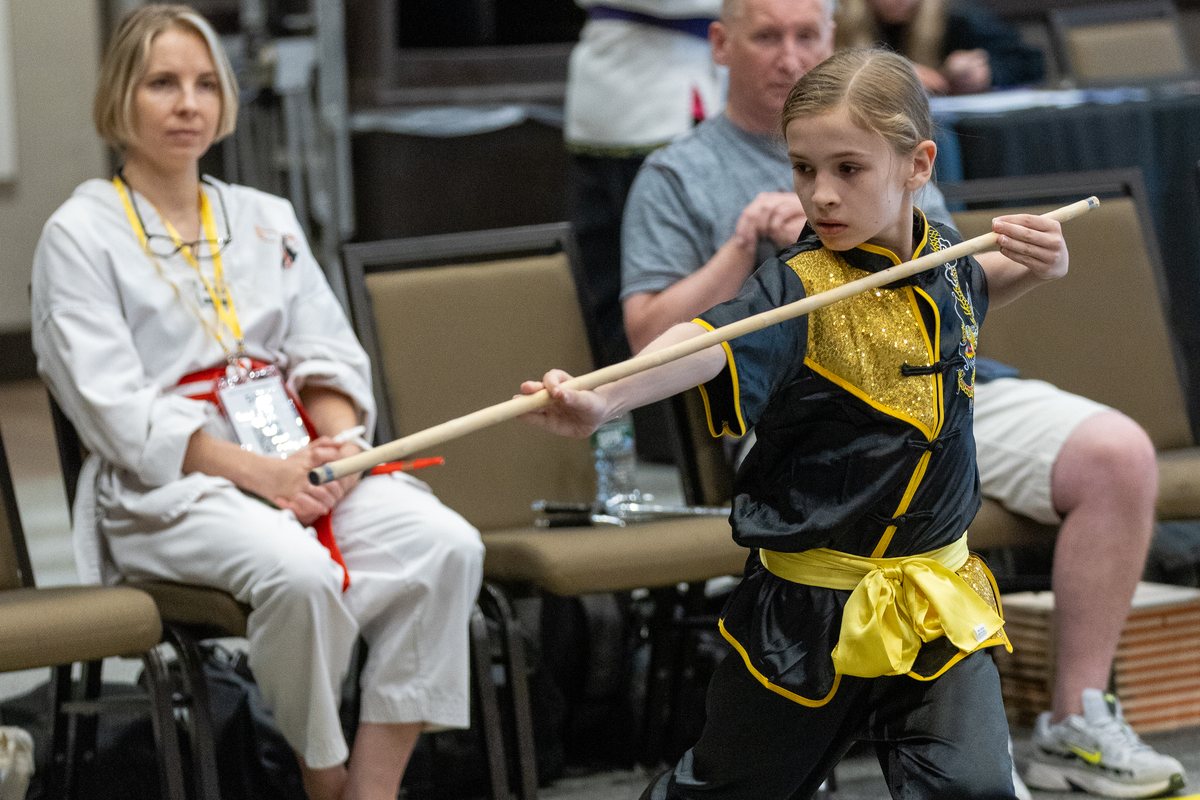
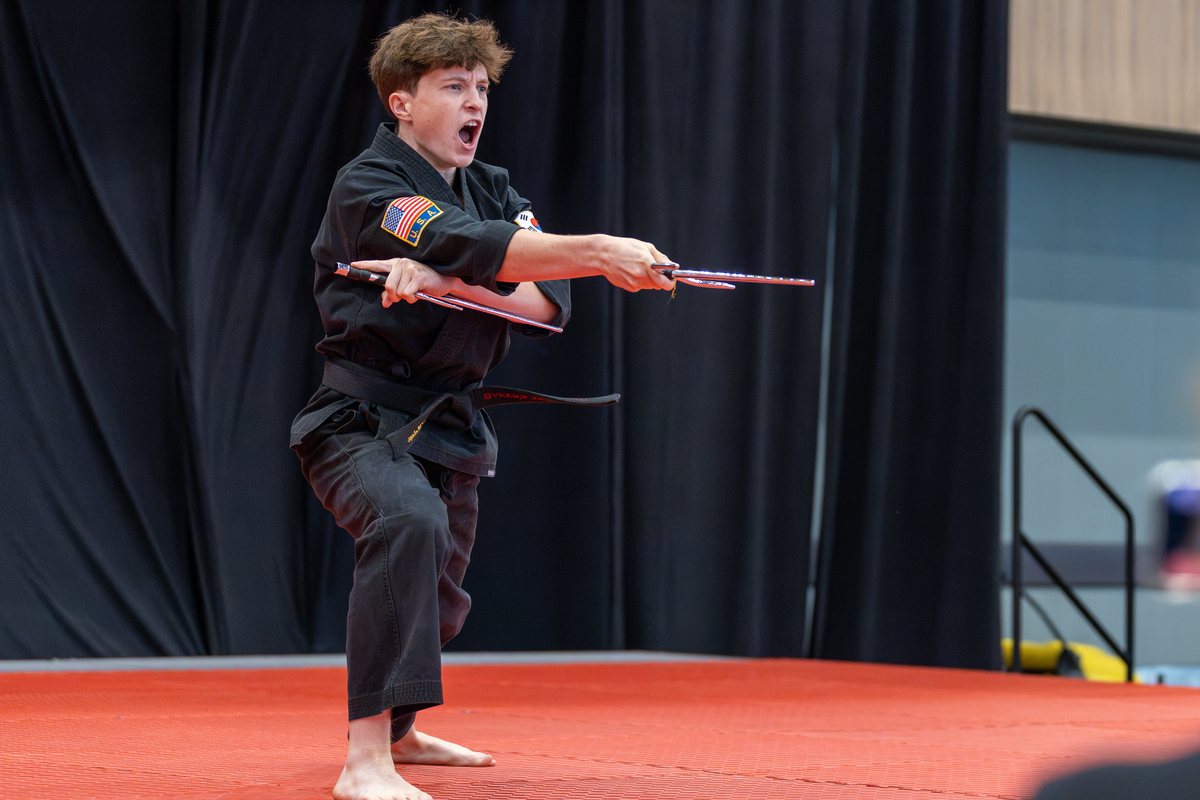
The Creative Weapons division allows weapons forms to include an array of techniques. These weapons forms may be devised in their entirety by the competitor, or be a traditional weapons form to which modern aspects have been added.
In this division, the competitor may perform any movements, whether they originate from traditional or contemporary martial arts systems or otherwise. However, at least half of the form must originate from martial arts techniques.
Emphasis is placed on the quality of execution of techniques and movements, martial arts skills, balance, speed, power, degree of difficulty, showmanship, solid stances, and focus. Spinning kicks, jump spinning kicks, flying kicks, multiple kicks, splits and other creative martial arts techniques are permitted.
Only movements that portray a definite offensive or defensive martial arts purpose, or that are included to illustrate extreme flexibility or agility, are allowed.
Time Limit: 3 minutes
Japanese Traditional Weapons
Capital District Traditional Tournament
Judged using our ranking system
Competitors in this division will perform weapons kata traditional to a Japanese or Okinawan style of martial arts, using weapons of a traditional design. These kata must capture the essence of classic Japanese or Okinawan martial arts movements, showcasing the traditional techniques, stances and footwork of the specific style.
Emphasis is placed on execution of technique, application of technique, balance, speed, power, solid stances, and focus.
Weapons kata may be unmodified or modified from what a system or school considers to be the original version of the kata; however, performance of a kata voted by the judges as inappropriate for the division will result in a unanimous decision of "no score."
Time Limit: 3 minutes
Point Sparring
Capital District Open; Hudson Valley Regionals; North East Open; Capital District Traditional Tournament
General
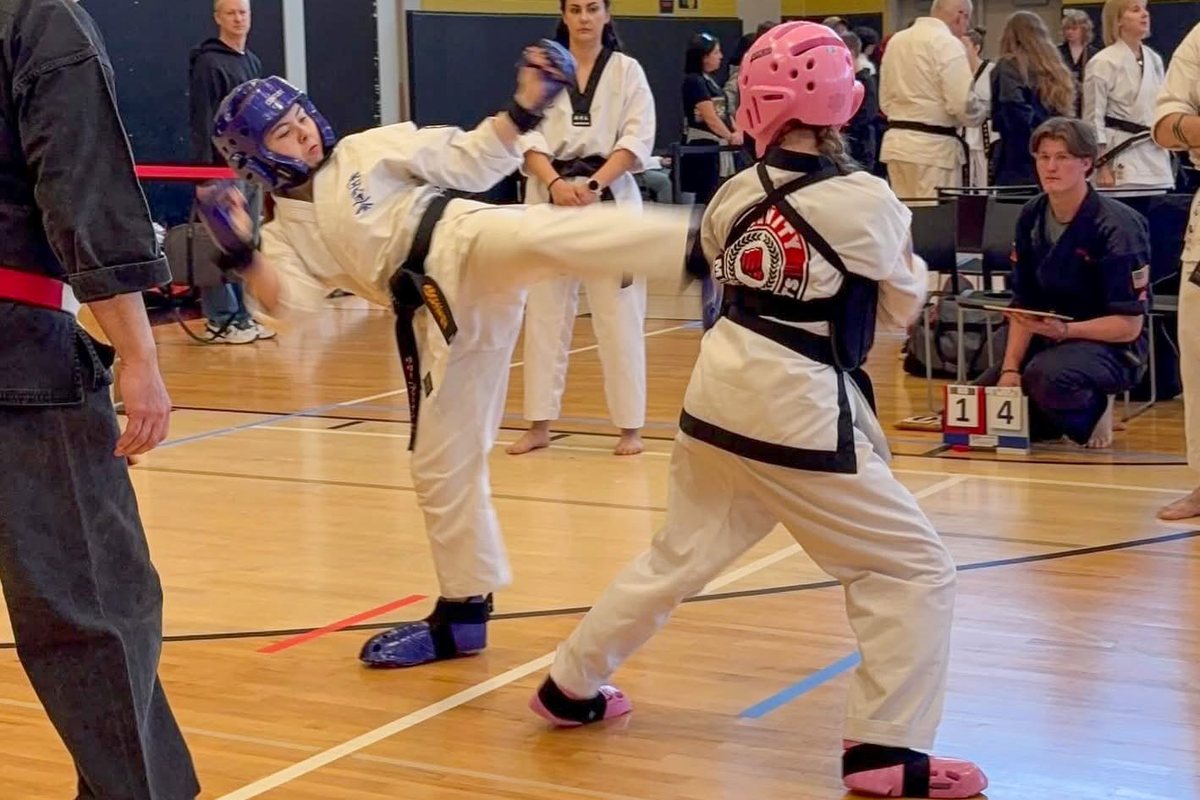
- 2 minute time limit. The match ends when one competitor earns 5 points or after 2 minutes, whichever comes first.
- Ties go to sudden death: the next point wins.
- 1 point for a clean hand strike, 1 point for a clean kick.
- No official coaching during the match, and no parents or team members in the ring. Cheering is allowed!
- NO grabbing, leg checking, sweeping, ground fighting or blind techniques.
- NO point if you fall to the ground during or after scoring a point.
Mandatory Safety Equipment
All competitors are required to wear foam-dipped head gear, hand gear, foot gear, a mouth guard, and a groin protector (males). All jewelry must be removed. Soft shin guards (no hard soccer shin guards) and rib/chest guards are optional.
Please ensure that your students have the required mandatory safety equipment.
Legal Target Areas
Students may strike their opponent's chest, rib cage and abdominal area (side seam of the uniform forward) and the protected areas of the head (excluding the back of the head).
Illegal target areas: groin, back and kidneys, throat, face.
Contact
- No Contact: no contact with the opponent at all. No point.
- Light to Light-Medium Contact: contact ranging from a light touch to contact that can move an opponent's body or head slightly. All beginner and intermediate sparring divisions must demonstrate this level of contact to score points to the body and head.
- Light-Medium to Medium Contact: contact ranging from moving the opponent's body slightly to moving it a moderate amount, without being excessive, heavy, or intended to harm. All advanced and black belt divisions must demonstrate this level of contact to score points to the body. Contact to the head must remain light-medium in all divisions.
- Heavy Contact: contact that is excessive. It will result in a warning, a penalty point, both, or immediate disqualification if, in the judges' opinion, there was no consideration of the contact rules.
Warnings and Penalty Points
One verbal warning will be given to a fighter for committing a foul. Any further fouls of any type will result in a penalty point awarded to the opponent.
Judges may disqualify a fighter after any display of blatant disregard for the rules.
Fouls
- Groin strikes, including unintentionally kicking too low
- Strikes to the back, back of the head, face, or any other illegal target area
- Grabbing or holding
- Leg checking or sweeping
- Ground fighting
- Running out of the ring
- Excessive contact
- Disrespect or unsportsmanlike conduct toward the judges or opponent
- Coaching
- Not fighting
Creative Breaking
Winter Cup; Capital District Open; Hudson Valley Regionals; North East Open; Capital District Traditional Tournament
United States and World Breaking Associations © 2005–2026 USBA/WBA. All rights reserved.
Creative Multi-Direction Wood Breaking
The North East Open follows more detailed breaking rules. If you're competing there, please review the full rules on the North East Open website.
Materials
Wood boards only. All boards must be purchased from the event on the day of the event; you cannot bring your own.***
*** At the North East Open, you may bring your own boards.
- 7 & under: ½" × 6" × 12"
- 8–12 years old: ½" × 10" × 12"
- 13 & older: 1" × 10" × 12"
Spacers are allowed but not supplied.
Techniques
All techniques are allowed. Competitors may use any strike to break.
Breaks & Stations
- Tiny Tot, Beginner and Intermediate: 4 breaks maximum
- Advanced and Black Belt: 6 breaks maximum
- At the North East Open: 8 breaks maximum
What counts as one break? One strike, or multiple strikes that break the materials at the exact same time. Each break is one station. If the competitor leaves the ground, all breaks executed before they return to the ground count as one station.
- Downward hammer fist = 1 break
- Roundhouse kick = 1 break
- Scissor kick (2 kicks breaking boards at the exact same time) = 1 break
- Double downward hammer fist (each hand strikes its own boards, both break at the same time) = 1 break
- Roundhouse low-high combo = 2 breaks (one kick follows the other)
- Roundhouse, spin hook kick = 2 breaks (one kick follows the other, not at the same time)
A station may be free-standing, set on stands, or held by assistants. Competitors are encouraged to supply their own stands; a limited number of stands will be available. Competitors are responsible for all materials required to set up their stations, and must ensure the safety of fellow competitors and spectators.
- Holders must be in full uniform.
- No concrete stands are permitted in the venue, except at the North East Open.
Time Limit
Competitors have a maximum of 3 minutes to set up, break, and clean up the area. A deduction of 3 points is taken off the total score for every 15 seconds over the allotted time, beginning after the 3-minute mark.
Time is cumulative: it starts when the competitor begins set-up and stops when set-up is complete; it starts again on the attempt of the first break and stops when the ring is cleared, as determined by the ring coordinator.
Judging
Breaking is judged using the USBA/WBA Creative Scoring Matrix. Competitors are judged on difficulty, creativity, focus, and completion of breaks.
Ties
In the event of a tie, the winner is decided by a show of hands by the judges.
Power Roundhouse Kick Breaking
Capital District Open; Capital District Traditional Tournament
Materials
All boards must be purchased from the event; you cannot bring your own.
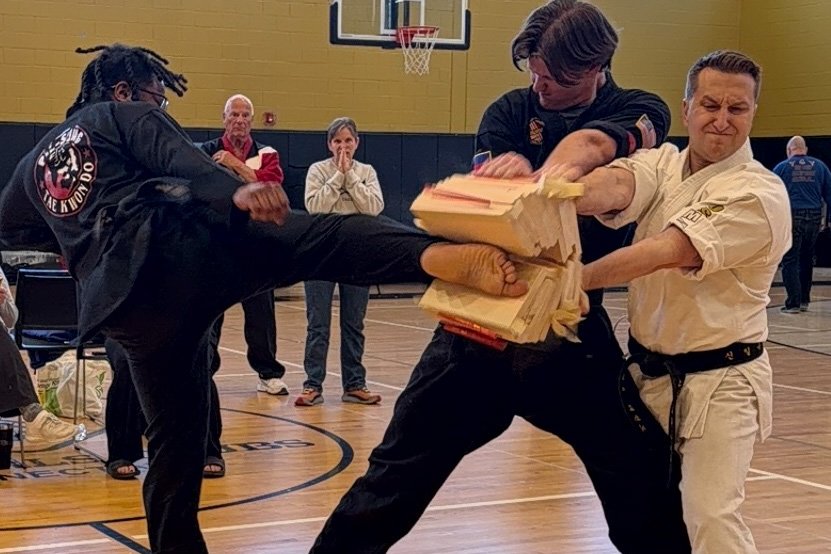
- Spaced board stack, using carpenter pencil spacers.
- Board size is standard to the competitor's age category (see board sizes under Creative Breaking).
Technique
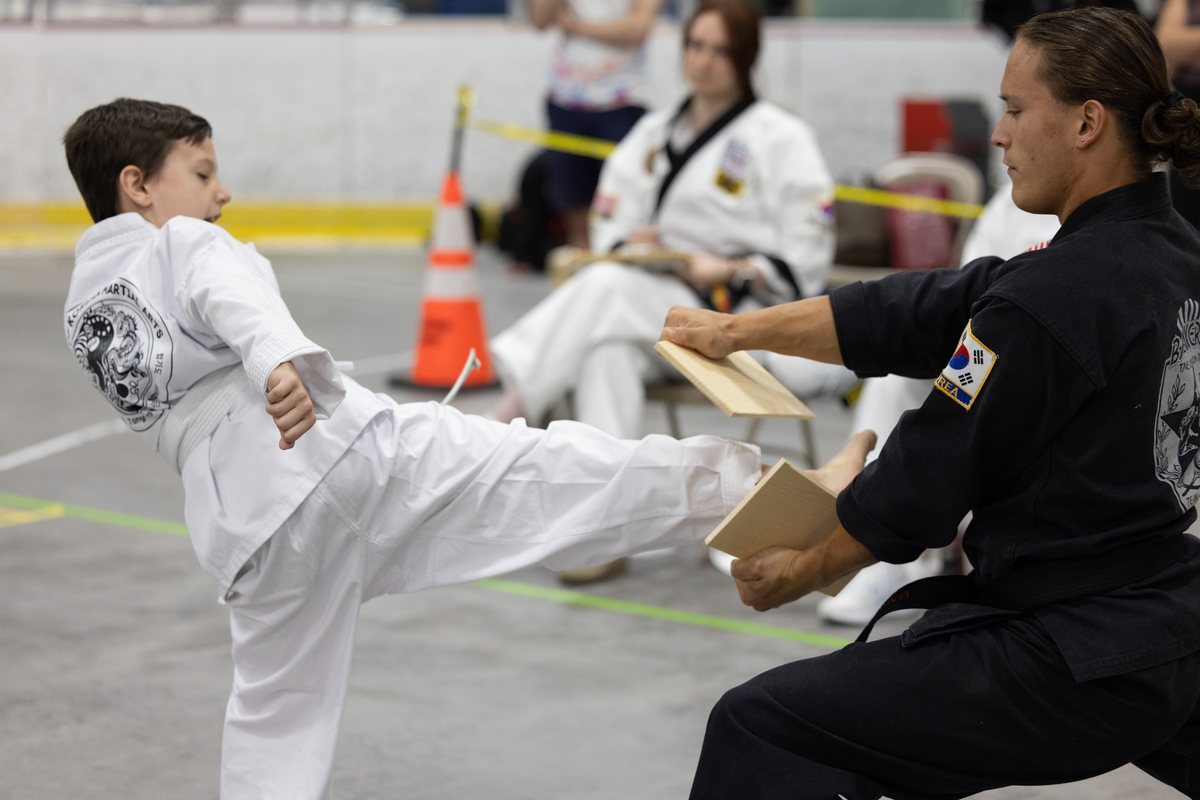
- The kick must land above the belt.
- The strike must be made with the instep or the ball of the foot (no shin).
Holders
- Human holders only; no stands or apparatus.
- A maximum of two people may hold the stack.
- Holders must be in full uniform.
Winning
The competitor who breaks the most boards wins. Ties are broken by the percentage of boards broken in the attempt.
Team Synchronized Forms & Weapons
North East Open; Capital District Traditional Tournament
Judged using our ranking system
- Team size: 2–6 members per team.
- Synchronization: team members must be synchronized at least 75% of the time during the form.
Team members may face different directions and perform in any style arrangement they wish. They may use different rhythms and start times, as long as approximately three-quarters of the routine is in synchronization.
The rules of the team's category (Open, Traditional, Korean, Japanese or Creative) also apply, with the additional factor of precision of synchronization taken into account.
Time Limit: 3 minutes
Even More at the North East Open
The North East Open offers a few additional events you won't find anywhere else on the circuit. For details on these exclusive events and their rules, visit the North East Open website.